Whether you’re planning cross-country road trips with your mountain bikes or simply need a reliable way to haul the family’s cycles to the local trailhead, a 2-inch hitch bike rack represents the sweet spot of strength, stability, and versatility. Unlike their 1.25-inch counterparts, these robust carriers leverage the superior weight capacity and reduced sway of Class III, IV, and V hitch receivers, making them the preferred choice for serious cyclists, overlanders, and anyone who prioritizes absolute confidence on the highway.
But not all 2-inch hitch bike racks are created equal. The market overflows with options spanning minimalist two-bike platforms to heavy-duty four-bike hanging systems, each promising unique advantages. Understanding the nuanced differences between rack types, construction materials, and security features can mean the difference between a seamless loading experience and a white-knuckle drive spent checking your mirrors. This comprehensive guide cuts through the marketing noise to equip you with the knowledge to select the perfect 2-inch hitch-mounted solution for your specific needs.
Top 10 Hitch Bike Racks
Detailed Product Reviews
1. Young Electric E-Bike Rack with Ramp, Hitch 2 Bike Rack, 200 lbs Capacity Electric Bike Carrier, Foldable Platform Mount for Cars, Trucks, SUVs, Minivans, Up to 5-Inch Fat Tire for 2’’ Receiver

Overview: The Young Electric E-Bike Rack directly addresses the challenges of transporting heavy electric bikes with its integrated V-groove ramp and robust 200-pound capacity. This platform-style carrier handles two e-bikes up to 100 pounds each, accommodating 5-inch fat tires and 50-inch wheelbases without requiring an adapter bar for step-through frames.
What Makes It Stand Out: The patented anti-wobble system featuring V-shape cradles and shock-absorbing hitch threads sets this rack apart. Unlike competitors using metal hooks, it employs ratchet straps at three points per bike with soft padding, virtually eliminating frame scratches while providing superior stability. The 1000-hour salt spray-resistant coating and lightweight aluminum-steel construction ensure durability.
Value for Money: Priced in the $300-400 range, this rack delivers strong value for e-bike owners. Competing e-bike carriers often require separate ramp purchases and lack integrated anti-wobble technology. The ramp stores on-board, and the construction quality matches premium brands costing significantly more.
Strengths and Weaknesses: Strengths include the game-changing ramp system, exceptional weight capacity, frame-friendly ratchet straps, and weather-resistant finish. The platform design prevents bike contact. Weaknesses involve a higher price point than basic racks and more complex initial setup. The ramp adds loading time, and the system may be overkill for standard bicycles.
Bottom Line: For e-bike enthusiasts seeking purpose-built transport that protects their investment while simplifying loading, this rack justifies its premium price through thoughtful engineering and durable construction.
2. Allen Sports Deluxe 4-Bike Hitch Mount Rack (2-Inch Receiver) , Black
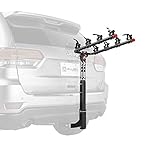
Overview: The Allen Sports Deluxe 4-Bike Rack represents the classic hanging-style carrier that has served families for decades. Designed for 2-inch receivers, it transports four bicycles using a patented cradle system, making it ideal for family outings or group rides where capacity and affordability take priority.
What Makes It Stand Out: Time-tested simplicity defines this rack. The patented tie-down system uses permanently attached rubber straps with lanyards, eliminating lost parts—a common frustration with budget carriers. The no-wobble bolt effectively reduces hitch play, while the tilting mechanism provides lift-gate access without bike removal. Fold-away carry arms reduce profile during storage.
Value for Money: At $150-180, this rack delivers exceptional value for budget-conscious families. While platform racks offer advantages, they cost significantly more and typically carry fewer bikes. The powder-coated finish provides adequate weather resistance for occasional users, making it a practical entry-level solution.
Strengths and Weaknesses: Strengths include affordability, high bike capacity, simple operation, and proven design. The integrated strap lanyards demonstrate thoughtful engineering. Weaknesses are inherent to hanging racks: bike-to-bike contact, incompatibility with unconventional frames, and potential paint scratching. The 22-pound per-bike limit excludes e-bikes and some mountain bikes.
Bottom Line: A reliable, no-frills workhorse for standard bikes that prioritizes capacity and affordability over premium features—perfect for families seeking practical transport without breaking the bank.
3. Young Bike Rack Hitch for Car - 200LB 2-Bike Rack Hitch Mount Platform Style Hitch Bike Rack,Smart Tilting & Easy Fold for Car SUV with 2 Inch Receiver,Bike Carrier Fits Up to 5-inch Fat Tire

Overview: This Young 2-Bike Hitch Rack merges platform stability with user-friendly features for everyday cyclists. Supporting 200 pounds total, it handles two e-bikes or standard bicycles, accommodating 5-inch fat tires and 58-inch wheelbases—among the most versatile configurations in its price class.
What Makes It Stand Out: The smart tilting mechanism with quick-release lever allows trunk access without removing bikes or the rack itself—a convenience many competitors lack. Soft padded hooks and a hitch tightener prevent frame damage and wobble simultaneously. The fold-up design saves garage space, while pre-assembled components enable tool-free installation within minutes.
Value for Money: Positioned at $250-300, this rack offers compelling value against premium brands costing significantly more. The 200-pound capacity matches expensive e-bike specific racks, while universal tire holders accommodate diverse bike types without adapter purchases, making it a versatile mid-range investment.
Strengths and Weaknesses: Strengths include high weight capacity, excellent tire compatibility, intuitive tilting function, and solid anti-wobble design. The platform style prevents bike contact and suits non-standard frames. Weaknesses include the hook system (versus strap alternatives) which may cause minor finish wear over time, and the lack of an integrated ramp for heavy e-bikes. Some users report occasional loosening of adjustment knobs during transport.
Bottom Line: An excellent mid-range choice for SUV and car owners seeking versatile, stable transport for diverse bike types without the premium pricing of top-tier brands.
4. MaxxHaul 50027 Platform Bike Rack for 2 Bikes - Hitch Mounted Tray Carrier for SUV, Van, & Truck - Adjustable Tire Cradles & Foam Padded Hooks - Fits 2" Class III & IV Hitches

Overview: The MaxxHaul 50027 offers entry-level platform rack benefits at a budget price point. Designed for two bikes with a modest 75-pound total capacity, it fits standard 2-inch Class III and IV hitches, making platform stability accessible to most SUV and truck owners.
What Makes It Stand Out: The removable vertical post enables unusually compact storage compared to fixed-platform designs—a key advantage for users with limited garage space. Adjustable tire cradles and foam-padded hooks accommodate wheelbases up to 63 inches, providing impressive flexibility for the price. The built-in locking knob reduces upright wobble during transport.
Value for Money: At under $150, this rack targets price-sensitive buyers wanting platform stability without premium cost. However, the 38-pound per-bike limit severely restricts compatibility, excluding virtually all e-bikes and many full-suspension mountain bikes. This limitation makes it suitable only for lightweight recreational bicycles.
Strengths and Weaknesses: Strengths include affordability, space-saving storage design, and easy adjustability. The platform style prevents bike contact and works with various frame shapes. Weaknesses are the critically low weight capacity, limited 2.25-inch tire width compatibility, and basic construction that may not endure heavy daily use. It’s explicitly unsuitable for RVs and campers.
Bottom Line: A decent ultra-budget option for casual cyclists with lightweight bikes, but inadequate for e-bikes or serious mountain bikers. Spend more if your bikes exceed 35 pounds or feature wide tires.
5. Young 4-Bike Rack Hitch Mount Platform Style Carrier for Cars Trucks SUVs Minivans with 2" Hitch Receiver, 4 Bikes X 40 lbs (160 lbs Total) Load Capacity

Overview: Young’s 4-Bike Platform Rack brings platform-style stability to family-sized capacity, supporting four bikes at 40 pounds each. Designed exclusively for 2-inch receivers, it offers an alternative to traditional hanging racks for families prioritizing bike protection and ease of access.
What Makes It Stand Out: The tilting and folding functions match premium competitors, allowing trunk access and compact storage. Soft padded hooks with a locking hitch pin secure bikes while preventing sway and paint damage—a significant upgrade from hanging rack straps. The rear safety reflector enhances nighttime visibility, and most components arrive pre-assembled for straightforward setup.
Value for Money: Priced around $300-350, it occupies a middle ground between budget hanging racks and premium platform carriers. The per-bike weight limit restricts e-bike transport but accommodates most children’s and adult recreational bikes. The RV warning (120-pound total limit when rear-mounted) provides flexibility for motorhome owners, though capacity drops significantly.
Strengths and Weaknesses: Strengths include platform stability for four bikes, tilting convenience, and better frame protection than hanging racks. The fold-up design saves space. Weaknesses involve lower per-bike capacity than two-bike equivalents, potential hook scratching over extended use, and the 120-pound RV restriction that limits utility. Some users find the four-bike platform configuration cumbersome to load.
Bottom Line: Ideal for families wanting platform benefits without premium pricing, provided your bikes are under 40 pounds and you don’t require e-bike compatibility. A practical upgrade from hanging racks.
6. MaxxHaul 50025 Hitch Mount 2 Bike Rack For Cars, Trucks, SUV’s, Minivans - 100 lb. Capacity

Overview: The MaxxHaul 50025 is a versatile entry-level hitch mount rack designed for casual cyclists prioritizing vehicle compatibility. This two-bike carrier accommodates both 1-1/4" and 2" receivers with its included adapter, making it suitable for Class I through IV hitches across cars, trucks, SUVs, and minivans. It supports up to 100 lbs total, positioning it as a budget-conscious solution for standard bike transportation.
What Makes It Stand Out: Its universal hitch compatibility is the defining feature—few racks in this price range seamlessly transition between receiver sizes. The locking knob system minimizes wobble during transport, while improved rubber cradles with buckle straps provide secure bike retention without requiring frame contact. This combination of stability and adaptability makes it unusually flexible for its class.
Value for Money: Positioned as a budget-friendly option, this rack delivers exceptional versatility for under $100. While it lacks premium features like tilting or ramp access, its dual-hitch design eliminates the need to purchase a new rack when upgrading vehicles, offering long-term savings for cost-conscious buyers who prioritize compatibility over capacity.
Strengths and Weaknesses: Strengths:
- Universal 1-1/4" and 2" hitch compatibility
- Stable locking knob reduces wobble
- Simple, proven strap-based security
- Affordable price point
- Works with Class I-IV hitches
Weaknesses:
- Limited 50 lb per bike capacity excludes most e-bikes
- No tilt function restricts trunk access
- Basic rubber cradles may not fit fat tires
- Lower weight capacity than competitors
Bottom Line: Ideal for recreational cyclists with standard bicycles seeking an affordable, no-frills transport solution that works across multiple vehicle types.
7. Young Hitch Mount Bike Rack with Ramp, 200 lbs. Capacity for 2 E-Bikes, Fat Tire and Standard, fits Cars, SUVs, RVs, Trailers with 2 Inch Receiver

Overview: The Young Hitch Mount Bike Rack addresses the growing e-bike market with a robust 200-pound capacity and integrated ramp system. Designed specifically for 2" receivers, this heavy-duty carrier accommodates two electric bikes up to 100 lbs each, including fat-tire models. Its RV approval and reinforced steel-aluminum construction make it suitable for motorhomes, trailers, and standard vehicles alike.
What Makes It Stand Out: The integrated ramp is the game-changer, allowing single-person loading of heavy e-bikes without lifting. Combined with a 200-pound total capacity and RV-specific engineering, it serves a niche that most racks ignore. The patent-pending secure wheel cradles and anti-wobble structure provide exceptional stability for heavy loads during extended highway or rough-road travel.
Value for Money: At a mid-to-high price point, this rack justifies its cost through specialized e-bike features and RV compatibility. The ramp alone eliminates potential injury risk and loading hassle worth hundreds in convenience. Compared to purchasing separate e-bike and RV-approved racks, it offers significant savings for dedicated electric bike enthusiasts.
Strengths and Weaknesses: Strengths:
- 200 lb capacity handles heavy e-bikes
- Integrated ramp for effortless loading
- RV and trailer approved
- Anti-wobble structure enhances stability
- Durable steel-aluminum construction
Weaknesses:
- 2" receiver only limits vehicle compatibility
- Higher price than standard racks
- Overbuilt for conventional bicycles
- May require additional clearance on some vehicles
Bottom Line: A premium investment for e-bike owners and RV travelers who need maximum capacity and effortless loading. The ramp feature alone makes it worthwhile for heavy electric bikes.
8. TANX Bike Racks for Ebikes,Fat Tire Bike Rack for Tow Hitch 2-Bike 160 lbs Capacity,Hitch Bike Rack for Heavy E Bike, Wobble Free Smart Tilting Folding Bicycle Car Racks for Standard, 2 inch Receiver

Overview: The TANX Bike Rack balances versatility and convenience for e-bike and fat-tire enthusiasts. Supporting 160 lbs total for two bikes with tires up to 5 inches wide, this platform-style rack fits exclusively 2" receivers on SUVs, trucks, sedans, and RVs. Its foldable frame and smart tilting mechanism prioritize user experience without sacrificing stability.
What Makes It Stand Out: The combination of tilting access and compact folding sets it apart—users can lower the loaded rack for trunk access or fold it flat for garage storage. The anti-wobble hitch tightener with locking pin ensures silent, stable transport on any terrain. Adjustable wheel trays accommodate bikes up to 59 inches long, making it compatible with everything from road bikes to full-suspension e-MTBs.
Value for Money: Priced competitively in the mid-range segment, this rack offers premium features typically found in $400+ models. The 24/7 customer support and included installation tools add value, while the tilting function eliminates the frustration of unloading bikes for cargo access, saving time and effort on every trip.
Strengths and Weaknesses: Strengths:
- Tilt function for trunk access
- Folds compact for storage
- Anti-wobble system ensures stability
- Accommodates 5" fat tires
- Excellent customer support
Weaknesses:
- 2" receiver only
- 160 lb capacity less than some rivals
- Assembly required despite video support
- Heavier than hanging-style racks
Bottom Line: An excellent mid-range choice for e-bike owners wanting convenience features without premium pricing. The tilting design and anti-wobble system make daily use genuinely hassle-free.
9. CRINDAR Bike Rack Hitch for Car, 160 Lbs Capacity Foldable 2-Bike Rack for Car SUV, E Bike Carrier w/Tilt-Away, Anti-Rattle Lock, Up to 5-Inch Fat Tire for 2’’ Receiver
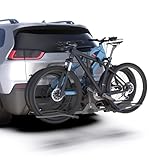
Overview: The CRINDAR Bike Rack emphasizes user-friendly operation with its tool-free installation and tilt-away design. This 160-pound capacity platform carrier fits exclusively 2" receivers and handles two e-bikes or fat-tire bicycles up to 80 lbs each. Its reinforced steel frame and anti-wobble tightener target stability-conscious riders seeking quick setup.
What Makes It Stand Out: True tool-free installation distinguishes this rack—most competitors require wrenches for initial assembly. The tilt-away mechanism allows full trunk access without bike removal, while the rigid 3-point connection and adjustable padded hooks prevent frame contact and bike-to-bike collision. The keyed hitch pin lock provides integrated security rarely included at this price.
Value for Money: Offering premium convenience features at a mid-range price, this rack delivers strong value. The tool-free setup saves time and eliminates the need for additional tools, while the included lock adds $30-50 in value. For buyers prioritizing ease-of-use and security, it undercuts premium brands by $100+.
Strengths and Weaknesses: Strengths:
- Tool-free installation
- Tilt-away trunk access
- Integrated keyed lock
- Padded frame hooks prevent scratches
- 5" fat tire compatibility
Weaknesses:
- 2" receiver only
- 80 lb per bike limit restricts some e-bikes
- Platform design adds weight
- Limited brand recognition
Bottom Line: Perfect for buyers who value quick installation and trunk accessibility. The tool-free design and included lock make it a smart, convenient choice for e-bike transport.
10. Amazon Basics 4-Bike Hitch Rack with 2" Hitch for Car, SUV and Truck, Foldable Steel Frame with Anti-Rattle Design

Overview: The Amazon Basics 4-Bike Hitch Rack delivers family-focused functionality at an entry-level price point. This hanging-style carrier accommodates four standard bicycles on a durable powder-coated steel frame, fitting 2" receivers on most cars, SUVs, and trucks. With a 132-pound total capacity and foldable design, it addresses basic multi-bike transport needs without complexity.
What Makes It Stand Out: Its four-bike capacity at a sub-$150 price is the primary differentiator—most competitors charge significantly more for family-sized racks. The anti-rattle design reduces noise and wobble, while the foldable frame allows space-saving storage. As an Amazon Basics product, it offers reliable warranty support and straightforward compatibility with common bike frames.
Value for Money: Exceptional value for families needing to transport multiple standard bikes. While construction is basic compared to premium brands, the price-to-capacity ratio is unmatched. For occasional users and families with conventional bicycles, it eliminates the need for expensive roof racks or multiple trunk mounts, delivering functional utility at a fraction of the cost.
Strengths and Weaknesses: Strengths:
- Holds four bikes affordably
- Foldable for compact storage
- Anti-rattle reduces noise
- Simple installation
- Good warranty support
Weaknesses:
- 33 lb average per bike limits e-bike use
- Not compatible with fat tires
- Hanging design may cause bike contact
- Basic construction lacks premium features
Bottom Line: An unbeatable budget option for families with standard bicycles. If you need simple, reliable four-bike transport without e-bike requirements, this rack delivers outstanding value.
Why 2-Inch Hitch Receivers Are the Gold Standard
The 2-inch receiver tube has become the de facto standard for serious bike hauling, and for good reason. The larger diameter provides exponentially more torsional rigidity than 1.25-inch systems, virtually eliminating the unnerving wobble that plagues smaller hitches when loaded with multiple bikes. This stability isn’t merely about comfort—it directly impacts safety, preventing bike-to-bike contact and reducing stress on both your rack and vehicle’s frame.
Beyond stability, 2-inch hitches unlock significantly higher tongue weight capacities. While a 1.25-inch Class II hitch typically maxes out around 300-350 pounds of tongue weight, a 2-inch Class III hitch starts at 500 pounds and climbs to 1,200+ pounds for Class IV and V systems. This overhead means you can confidently carry four heavy e-bikes or a full quiver of downhill rigs without approaching your vehicle’s limits. The universal nature of 2-inch accessories also means your investment extends beyond bike racks to cargo carriers, ski racks, and towing equipment.
Platform vs. Hanging: Two Distinct Hitch Rack Categories
The Platform Rack Advantage
Platform-style racks support bikes by their wheels, creating a stable base that eliminates frame contact. This design proves invaluable for carbon fiber frames, unconventional geometries, and bikes lacking horizontal top tubes. The independent wheel trays prevent bikes from swinging into each other, while integrated locks secure both wheels and frames. Most premium platform racks accommodate tire widths up to 5 inches and wheelbases stretching to 52 inches, covering everything from BMX bikes to fat bikes and long-travel enduro machines.
When Hanging Racks Make Sense
Hanging racks suspend bikes from their top tubes using padded arms, offering a lighter, more compact solution that typically costs less than platform systems. Their weight savings—often 20-30 pounds lighter—makes installation and removal significantly easier. Modern hanging racks have evolved with anti-sway cradles and adjustable mast heights that minimize bike contact. They excel for families with multiple standard-frame bikes where budget and storage space remain primary concerns. However, they require top tube adapters for step-through frames and can struggle with certain full-suspension designs.
Weight Capacity: The Numbers That Actually Matter
Per-Bike vs. Total Capacity
Manufacturers advertise two critical numbers: per-bike capacity and total rack capacity. A rack rated for 60 pounds per bike with a 240-pound total limit works perfectly for four standard mountain bikes but fails for three e-bikes weighing 65 pounds each. Always calculate your actual load using real weights, not estimates. Modern e-bikes frequently exceed 65 pounds, making heavy-duty ratings non-negotiable.
Tongue Weight and Vehicle Limits
Your vehicle’s hitch rating determines your absolute ceiling. Subtract your rack’s weight (typically 35-70 pounds) from your hitch’s tongue weight capacity to find your true bike payload. A Class III hitch rated for 500 pounds with a 50-pound rack leaves 450 pounds for bikes—enough for three e-bikes but maybe not four. Never exceed this limit; doing so compromises handling, braking, and hitch integrity.
Bike Frame Compatibility: Protecting Your Investment
Carbon Fiber Considerations
Carbon frames demand zero frame contact during transport. Even seemingly minor pressure points can cause invisible damage leading to catastrophic failure on the trail. Platform racks with wheel-only contact eliminate this risk entirely. If you must use a hanging rack, invest in a dedicated top tube adapter that distributes pressure evenly and never overtighten straps.
Full-Suspension and Non-Standard Geometries
Modern trail bikes with sloping top tubes, dropper posts, and rear suspension linkages often defy traditional hanging rack designs. Platform racks bypass these issues completely. For hanging racks, look for adjustable cradle arms that pivot and telescope to clear suspension components. Measure your bike’s wheelbase and compare it to rack specifications—some hanging racks max out at 48 inches, excluding longer enduro bikes.
Tire Width and Wheel Size Considerations
Fat Bike Compatibility
The fat bike revolution forced rack manufacturers to adapt. Standard trays accommodate up to 3-inch tires, but true fat bike support requires 4.5-5 inch capacity. Some racks offer optional fat bike kits with wider wheel holders and longer straps. Verify this spec before purchasing—forcing a 4.8-inch tire into a 3-inch tray damages both tire and rack.
29er and Mixed-Wheel Sizes
The proliferation of 29-inch wheels and mullet setups (29" front, 27.5" rear) demands adjustable wheelbases. Premium platform racks feature sliding trays with indexed positions, while budget models use fixed trays that may not secure both wheels properly. For families with mixed wheel sizes, adjustable trays aren’t optional—they’re essential for safe transport.
Hitch Class and Vehicle Compatibility
Matching Rack to Hitch
While all 2-inch racks fit 2-inch receivers, the inverse isn’t true. Class III hitches (the most common) pair with virtually any 2-inch rack. However, Class IV and V hitches with higher capacities might benefit from reinforced racks designed for commercial use. Check that your rack’s shank length clears your vehicle’s bumper—some SUVs and trucks with deep receivers need extended shanks to fully insert the pin.
Clearance Issues: Spare Tires and Bumpers
Jeeps, pickup trucks, and some SUVs present unique clearance challenges. Rear-mounted spare tires can prevent racks from folding down or tilting. Measure from your hitch pin hole to the furthest rear obstruction. Racks with adjustable shanks or optional hitch extenders solve these problems, but extenders reduce tongue weight capacity by 50 percent—a critical trade-off to understand.
Security Features: Beyond Basic Locks
Integrated Locking Systems
Quality racks include locks for both bikes and the rack-to-vehicle connection. Cable locks should be at least 10mm thick and sheathed to prevent paint damage. The best systems use the same key for all locks, eliminating keychain clutter. However, integrated locks are deterrents, not impervious solutions—determined thieves with angle grinders can defeat them. For overnight stops, supplement with heavy-duty chain locks.
Anti-Theft Hitch Pins
Standard hitch pins keep racks from sliding out but offer zero security. Locking hitch pins replace the clip with a keyed or combination cylinder, preventing opportunistic theft. Some premium racks feature integrated locking mechanisms that engage automatically when you secure the rack to the hitch. This one-step security approach saves time and ensures you never forget to lock the rack itself.
Tilting and Folding Mechanisms: Access and Storage
Rear Vehicle Access
The ability to tilt a loaded rack away from your vehicle transforms everyday usability. Premium racks tilt with bikes loaded using a foot pedal or handle release, providing full hatch or tailgate access. Budget models often require unloading bikes first—a dealbreaker if you frequently access gear mid-trip. Test the tilt mechanism’s ease of operation; stiff releases become frustrating when your hands are full.
Compact Storage Solutions
When not in use, your rack should fold flat against the vehicle or compact for garage storage. Some platform racks fold vertically, reducing rear overhang and allowing garage parking without removal. Others feature quick-release mast systems that separate the rack body from the hitch shank, creating two manageable pieces instead of one awkward 50-pound unit.
Ease of Installation and Removal
Tool-Free Hitch Tightening
Gone are the days of wrestling with wrenches at the trailhead. Modern racks use cam-based or threaded hitch tighteners that eliminate wobble and install in seconds. These systems typically involve a lever or knob that expands a wedge inside the receiver, creating a rock-solid connection. The best designs allow fine-tuning while the rack is loaded, letting you dial out any remaining movement.
Weight and Ergonomics
A 60-pound platform rack becomes a two-person job for many users. Look for racks with integrated handles, balanced weight distribution, and wheels for rolling storage. Some innovative designs split into two sub-30-pound components that connect without tools. Consider your physical ability and how often you’ll remove the rack—weekly removals demand lighter, more ergonomic designs than seasonal installations.
Build Materials and Durability
Aluminum vs. Steel Construction
Steel racks offer ultimate strength and lower cost but sacrifice weight and corrosion resistance. Powder-coated steel withstands years of use but eventually chips, leading to rust. Aluminum racks shed 30-40 percent of the weight while resisting corrosion naturally. However, not all aluminum is equal—6061-T6 aircraft-grade aluminum provides the stiffness needed for heavy loads, while cheaper alloys can flex under weight.
Plastic Components and UV Degradation
Wheel trays, cable housings, and trim pieces often use plastic to save weight and cost. High-density polyethylene (HDPE) withstands UV exposure and impacts, but cheaper ABS plastic becomes brittle after two summers in the sun. Inspect plastic parts for thickness and texture—quality components feel substantial and show UV inhibitors in their material specs. Replaceable wear parts like rubber straps and cradle pads extend rack life significantly.
Anti-Wobble Technology: Eliminating Rack Movement
Hitch Receiver Solutions
The connection point between rack and receiver creates the most movement. Premium racks use wedge-style anti-wobble systems that expand inside the receiver tube, creating a zero-play fit. Others rely on threaded hitch pins that tighten against the receiver walls. The most advanced systems combine both approaches, achieving a connection so solid you’ll forget the rack is there until you check your backup camera.
Bike-to-Rack Stability
Platform racks combat bike movement with adjustable wheel clamps that compress tires against the tray. Look for ratcheting arms with smooth action and replaceable rubber pads. Hanging racks use anti-sway cradles that grip the bike at multiple points. The best designs isolate each bike independently—when one bike moves, it doesn’t transfer motion to neighboring bikes.
Integrated Features and Accessories
Ramp Systems for Heavy Bikes
Loading a 70-pound e-bike onto a chest-high rack challenges even strong users. Integrated ramps roll out from the rack body, letting you wheel bikes up effortlessly. These ramps typically store within the rack profile and deploy without tools. While adding weight and cost, they transform the loading experience and prevent back injuries and bike drops.
Add-On Bike Capacity
Many two-bike platform racks accept bolt-on extensions for a third or fourth bike. This modular approach lets you start small and expand as your family or riding group grows. Verify that the base rack’s structure and your vehicle’s hitch can handle the added weight. Extensions often cost 60-70 percent of a complete rack but avoid buying an entirely new system.
Price Tiers and What You Get at Each Level
Entry-Level ($200-$400)
Budget racks prioritize function over refinement. You’ll get steel construction, basic locking cables, and manual tilt mechanisms. These racks safely transport bikes but require more effort to load and may develop wobble over time. Perfect for occasional users with standard bikes who prioritize value over convenience.
Mid-Range ($400-$700)
This sweet spot delivers aluminum construction, integrated anti-wobble systems, and loaded tilt functions. Racks in this category handle e-bikes and fat bikes while offering better security and ergonomics. Most families and dedicated enthusiasts find their needs met here, balancing performance with reasonable investment.
Premium ($700+)
Top-tier racks feature exotic materials like magnesium castings, one-step loading systems, and built-in ramps. They accommodate the widest range of bike types with tool-free adjustments and include lifetime warranties. For daily users, e-bike owners, or those transporting $10,000+ bikes, the convenience and protection justify the cost.
Installation Best Practices
Proper Hitch Pin Placement
Always use the primary hitch pin hole closest to the receiver opening. This position maximizes leverage and minimizes torque on the hitch. Never use an adapter to fit a 2-inch rack into a 1.25-inch receiver—the resulting leverage multiplier can snap receiver welds. For racks with threaded pins, tighten to the manufacturer’s torque spec, typically 15-20 ft-lbs.
Wiring and Clearance Checks
After installation, verify that the rack clears your exhaust system—heat can melt plastic components and damage bike tires. Check backup sensors and cameras; some racks trigger false alerts. Many vehicles allow sensor deactivation or adjustment zones. Ensure license plate and taillight visibility; obscured plates can result in traffic stops in most states.
Maintenance and Longevity
Seasonal Inspection Protocols
Every spring, inspect all welds for cracks, particularly at stress points where the shank meets the rack body. Check hitch tighteners for wear—nylon wedges compress over time and may need replacement. Lubricate pivot points with silicone spray, avoiding petroleum greases that attract dirt. Test all locks and replace corroded cylinders before they seize.
Off-Season Storage
Store racks indoors to prevent UV degradation and corrosion. If garage space is limited, hang the rack vertically from the hitch shank using a heavy-duty hook. For coastal users, rinse racks with fresh water after exposure to salt spray. Apply a corrosion inhibitor to steel components, focusing on the hitch shank where paint wear is common.
Common Buying Mistakes to Avoid
Overestimating Your Hitch Capacity
Many buyers assume their Class III hitch handles any 2-inch rack. However, tongue weight includes the rack, bikes, and any cargo in a rear-mounted cargo box. A family of four with e-bikes can easily exceed 500 pounds. Check your vehicle’s manual for the exact rating, not the hitch manufacturer’s generic rating, as automakers often derate hitches based on vehicle suspension and braking systems.
Ignoring Bike Geometry Trends
Bike designs evolve faster than rack designs. That super-slack enduro bike with a 1260mm wheelbase might not fit a rack purchased five years ago. Future-proof your investment by choosing racks with the widest adjustment ranges. Consider your next bike purchase, not just your current stable, when evaluating compatibility.
Legal and Safety Considerations
State-Specific Regulations
Most states require unobstructed license plates and taillights. Some racks include integrated light boards; others require separate purchases. Washington and California mandate red flags on loads extending more than four feet beyond the bumper—many loaded four-bike racks exceed this. Check your state’s overhang limits; exceeding them can result in fines and liability issues in accidents.
Insurance Implications
Your auto policy may not cover bikes on external racks. Many carriers require separate bicycle insurance or riders for high-value bikes. Document your rack installation with photos, and never exceed stated capacities. In an accident, exceeding weight limits can void coverage and leave you personally liable for damages. Some rack manufacturers offer liability insurance—worth considering for expensive loads.
Frequently Asked Questions
What’s the real weight difference between 2-inch and 1.25-inch hitch racks?
The racks themselves typically differ by only 5-10 pounds, but the weight capacity more than doubles. A 2-inch rack rated for 60 pounds per bike can safely carry e-bikes, while most 1.25-inch racks max out at 35 pounds per bike. The real advantage is stability—2-inch systems experience 70-80% less sway according to independent testing.
Can I use a 2-inch rack on my vehicle with a 1.25-inch hitch?
Only with a high-quality adapter that reduces capacity by 50%. This means a 500-pound Class II hitch effectively becomes a 250-pound hitch—barely enough for two standard bikes. For regular use, upgrade to a proper 2-inch hitch. Adapters also increase leverage and can cause excessive movement, potentially damaging both rack and vehicle.
How do I know if my bike’s wheelbase is too long for a rack?
Measure from the center of your front axle to the center of your rear axle. Compare this to the rack’s maximum wheelbase spec, typically found in the manual or product details. Add two inches of buffer for loading clearance. Most modern platform racks accommodate up to 52 inches, covering all but the longest downhill bikes.
Do I really need a ramp for e-bikes?
If you regularly load bikes over 50 pounds alone, a ramp prevents injury and bike damage. Lifting a 70-pound e-bike to chest height requires significant strength and balance. Ramps also protect your vehicle’s paint from pedal strikes during loading. Many users find ramps essential for daily use but optional for occasional weekend trips.
What’s the lifespan of a quality hitch bike rack?
With proper maintenance, premium aluminum racks last 8-12 years. Steel racks may last 5-8 years before rust compromises structural integrity. Coastal environments reduce lifespans by 30-40% due to salt corrosion. Replace any rack immediately after being rear-ended, as hidden stress fractures can cause sudden failure.
Can I open my rear hatch with bikes loaded?
Only if your rack specifically advertises a “loaded tilt” feature. Standard tilt mechanisms require removing bikes first to prevent them from hitting the ground. Premium racks tilt 30-45 degrees with full loads, providing complete hatch access. Test this function before buying—some racks claim “tilt” but only work unloaded.
Are platform racks really that much better for carbon frames?
Yes. Carbon fiber’s vulnerability to point-loading makes frame contact risky. Platform racks eliminate this concern entirely. If using a hanging rack, carbon-safe cradles with broad, padded surfaces reduce but don’t eliminate risk. For bikes over $3,000, the platform rack premium pays for itself in peace of mind.
How often should I check the hitch tightener?
Check it before every trip for the first month after installation, as initial settling occurs. After that, inspect it monthly and before any long highway journey. Vibrations gradually loosen even the best systems. A loose hitch tightener causes the entire rack to rock, multiplying stress on all components and potentially ejecting the hitch pin.
Will a hitch rack affect my vehicle’s warranty?
Properly installed racks don’t void warranties, but damage caused by overloading or improper installation isn’t covered. Some manufacturers specify approved rack brands for their vehicles. Keep your hitch installation receipt and rack purchase documentation. If a dealer claims a rack voided your warranty, request written justification citing specific warranty terms.
What’s the quietest 2-inch rack design?
Platform racks with wedge-style anti-wobble systems and rubber-isolated bike mounts produce the least noise. Hanging racks inherently have more moving parts and potential contact points. Apply frame protection tape where bikes might touch and use rubber straps instead of nylon. Some users wrap pool noodles around contact points for silent operation, though this looks less professional.